A story of industrial compromise, public health failure, and hard-won environmental progress
The Origins of Leaded Fuel
For most of the twentieth century, lead was a silent passenger in virtually every fuel tank on earth. Tetraethyl lead was first introduced as a gasoline additive in the early 1920s to solve a practical engineering problem: engine knock — the premature, damaging detonation of the air-fuel mixture in high-compression engines. Lead was cheap, effective, and commercially convenient. For decades, the question of whether it was safe was rarely asked.
By the 1970s, the answer was becoming impossible to ignore. Evidence mounted that lead was accumulating in air, water, soil, and — most alarmingly — in the bloodstreams of children. Research linked lead exposure to neurological damage, reduced cognitive function, anaemia, kidney failure, high blood pressure, and infertility. A landmark 1979 study by American paediatrician Herbert Needleman, which analysed lead content in the teeth of schoolchildren, found that the chemical measurably robbed children of IQ points and caused a host of behavioural problems. The global movement to eliminate leaded fuel had its scientific foundation.
South Africa’s Particular Problem
South Africa occupied an uncomfortable position in the international story of leaded fuel. For much of the late twentieth century, South Africa had some of the highest concentrations of lead in its petrol used anywhere in the world. While the United States phased out leaded gasoline by 1996 and the European Union by 1998, South Africa continued using it until 2006 a full decade behind those benchmarks.
The consequences were measurable in human biology. Studies conducted in South African urban areas found that children had blood lead levels significantly higher than their counterparts in the United Kingdom, Europe, and the United States. Mean blood lead levels of approximately 15 micrograms per decilitre were reported in some child populations. The key environmental risk factors were contaminated soil and dust in urban environments residue from decades of leaded exhaust and the sheer volume of vehicles still burning leaded petrol. Petrol station forecourt attendants and taxi drivers, exposed daily to exhaust fumes, showed elevated blood lead levels that correlated directly with the number of years they had worked in those roles.
The burden fell hardest on the most vulnerable. As one public health researcher put it at the time, leaded fuel was “very damaging to the environment, but more than that, it affects a person’s health. It affects malnourished children and can severely damage the brain or cause cancer.”
The Phase-Out: Late, Costly, but Consequential
The turning point came in 2002, when the United Nations-backed World Summit on Sustainable Development was held in Johannesburg. Out of that summit emerged the Partnership for Clean Fuels and Vehicles (PCFV), a coalition of environmentalists, scientists, government officials, and industry leaders committed to eliminating leaded fuel across the developing world.
South Africa’s Clean Fuels I regulations were gazetted in 2006. They prohibited the addition of lead to petrol entirely. However, the transition was neither smooth nor cheap:
- South African refineries spent an estimated R10 billion (approximately US$1.6 billion) to reconfigure equipment to produce unleaded fuel.
- Logistical problems caused acute fuel shortages in late 2005 as refineries strained to meet demand.
- A transitional Lead Replacement Petrol (LRP) was introduced for older vehicles whose engines relied on lead for valve seat lubrication. The replacements manganese, potassium, and phosphorus performed the same mechanical function without releasing lead into the atmosphere.
The diesel specifications introduced in the same 2006 reforms required sulphur levels to drop from a maximum of 3,000 parts per million (ppm) to 500 ppm, with a niche-grade 50 ppm product also introduced. This was a significant improvement in diesel quality, even if it still lagged far behind standards in Europe and North America.
The Health Dividend
The removal of lead from petrol produced measurable improvements in public health relatively quickly. Studies tracking prenatal lead exposure in South African mothers demonstrated a clear positive impact following the introduction of unleaded petrol, with geometric mean blood lead levels in maternal and cord blood declining substantially in the years after 2006. Researchers at the University of Pretoria and the Medical Research Council confirmed that the policy change had made a real and lasting difference to in utero lead exposure one of the most critical windows of vulnerability for neurological development.
On a global scale, the UNEP estimates that the worldwide phaseout of leaded petrol completed in 2021 when Algeria exhausted its final supply prevents more than 1.2 million premature deaths annually and saves the global economy approximately US$2.4 trillion in healthcare costs and other losses each year.
The Diesel Problem: Sulphur, Not Lead But Still Harmful
With lead largely removed from the story, attention shifted to a different contaminant in South Africa’s diesel: sulphur. While diesel fuel does not use lead as an additive in the same way petrol once did, its sulphur content has been a persistent and serious air quality problem, particularly in dense urban and industrial areas.
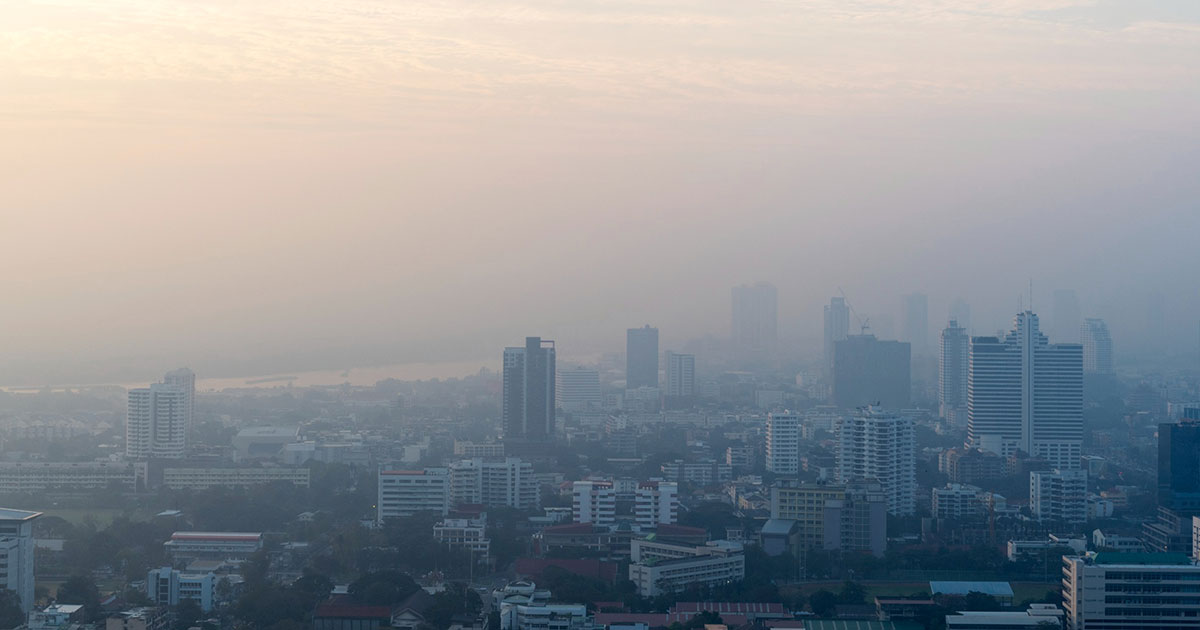
The Clean Fuels I reforms of 2006 reduced diesel sulphur to 500 ppm (with a 50 ppm niche grade). This was progress, but South Africa’s diesel remained far dirtier than the 10 ppm standard already in place across Europe and the United States. High-sulphur diesel produces particulate matter (PM2.5), nitrogen oxides, and sulphur dioxide all of which are linked to respiratory disease, cardiovascular damage, and premature death.
A further complication is that high-sulphur diesel is incompatible with modern vehicle emission control technology. Catalytic converters, diesel particulate filters, and other systems required on newer vehicles are degraded or destroyed by high-sulphur fuel. This means South Africa has effectively been locked out of the latest generation of low-emission vehicles.
Clean Fuels 2: Delayed, but Coming
South Africa’s Clean Fuels 2 (CF2) programme, first gazetted in June 2012, was intended to bring diesel sulphur levels down to 10 ppm aligning South Africa with Euro 5 standards that Europe adopted over a decade ago. The initial implementation date was July 2017. That deadline passed. A revised target of September 2023 also passed without full compliance. The current commitment, backed by the country’s major refiners including Astron and Sasol, targets July 2027.
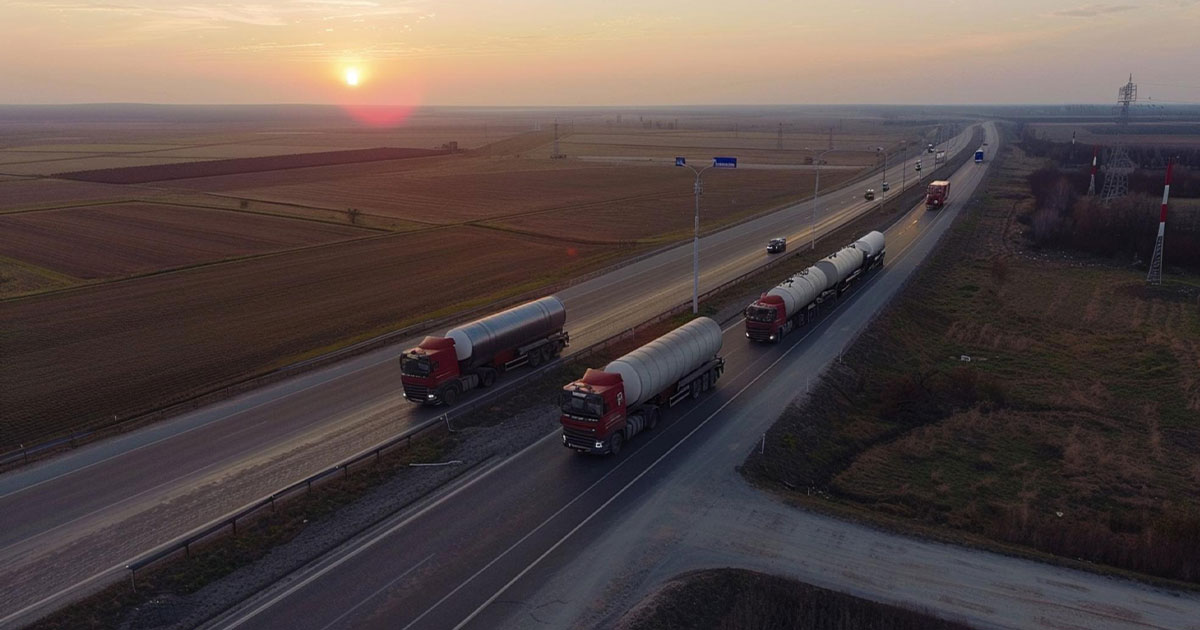
The delays are primarily economic. South Africa’s refining infrastructure requires substantial capital investment to produce 10 ppm sulphur fuel. The country’s crude oil refining capacity has declined sharply in recent years, with only two crude oil refineries still operating, and the nation has become increasingly dependent on imported fuel products. Upgrading ageing refineries to meet CF2 standards requires hundreds of millions of rands a challenge in a constrained fiscal environment.
The consequences of delay extend beyond air quality. Major global automakers including Toyota, Ford, and Volkswagen, have been unable to introduce their most advanced models into the South African market because those vehicles require 10 ppm diesel to function correctly. VW, for example, has been unable to introduce plug-in hybrid versions of the Tiguan and Touareg, while Ford could not bring its Puma ST. Poor fuel quality has also forced carmakers to cap power outputs on models already sold locally.
The Broader African Context
South Africa’s fuel story is not isolated. Across sub-Saharan Africa, the export of low-quality, high-sulphur diesel from European refineries has been a documented and ongoing problem. As recently as 2024, oil companies were exporting fuels to West Africa with sulphur content as high as 1,500 ppm 150 times the European standard. In response, the Netherlands and Belgium enacted bans on exports of substandard fuels from their ports, with the Benelux bloc committing to align national legislation on clean fuel exports by January 2027.
The regional clean fuels movement that eliminated leaded petrol from sub-Saharan Africa by 2006 demonstrated what coordinated advocacy can achieve. As Wanjiku Manyara, Executive Director of the Petroleum Institute of East Africa and a founding member of the PCFV, observed: the elimination of leaded petrol showed that “Africa has the power to demand clean fuels from suppliers” and raised the bar against the dumping of poor-quality fuels.
What Remains Unfinished
Lead may be gone from South African petrol, but the legacy of decades of contamination lingers in the environment. Urban soils in older neighbourhoods remain reservoirs of accumulated lead particulates deposited over generations. Lead exposure now comes primarily from paint (in older buildings), certain industrial processes, and residual environmental contamination rather than exhaust fumes. Ongoing health monitoring for workers in high-exposure industries remains inadequate.
On diesel, the gap between South Africa’s current standards and global best practice is still significant. Until CF2 is fully implemented, South Africans living near busy roads and in urban freight corridors will continue to bear a disproportionate respiratory health burden from diesel particulate pollution.
The story of lead in South African fuel is ultimately a story about the price of delayed action and the very real gains that become possible when regulation, science, and political will finally align.
Sources: UNEP, SAPIA, South African Medical Research Council, University of Pretoria, PubMed / ScienceDirect, News24, TopAuto
| Year | Event |
|---|---|
| 1922 | Tetraethyl lead introduced as a petrol additive globally |
| 1996 | United States phases out leaded petrol |
| 1998 | European Union phases out leaded petrol |
| 2002 | World Summit on Sustainable Development in Johannesburg; PCFV launched |
| 2006 | South Africa bans lead in petrol; diesel sulphur reduced to 500 ppm |
| 2012 | Clean Fuels 2 gazetted; 10 ppm sulphur target set for 2017 |
| 2021 | Algeria’s last leaded petrol supply exhausted; world declared lead-free |
| 2023 | South Africa misses 10 ppm diesel sulphur deadline |
| 2027 | Current target date for full CF2 compliance in South Africa |